 GS1 Assistant - Help Document
Where Should I Buy GTINs From?
If you're launching a new product, you'll need to decide where to purchase your GTINs.
Many businesses automatically purchase GTINs from the GS1 Member Organization in their own country. However, pricing, barcode formats, eligibility requirements, and integration capabilities can vary significantly between GS1 organizations.
Here are a few factors to consider before you choose where to purchase your GTINs.
How GS1 Is Organized
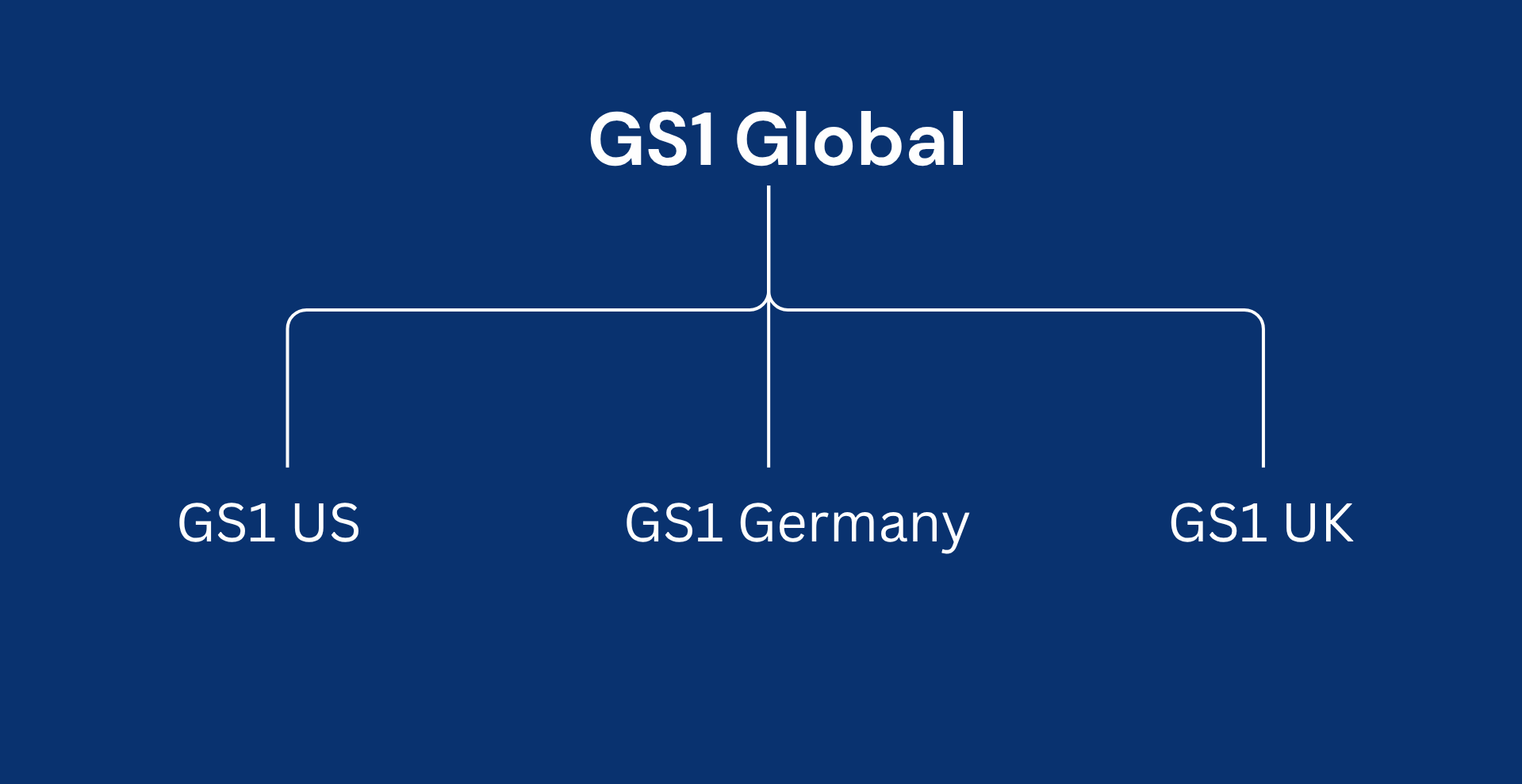
GS1 is a global standards organization made up of independent national and regional Member Organizations around the world.
When you purchase GTINs, you do not purchase them directly from GS1 Global. Instead, you purchase them from a GS1 Member Organization.
Each Member Organization is responsible for managing its own:
- Pricing
- Membership requirements
- Renewal policies
- Application process
- Product and data services
Who Can Purchase GTINs?
Some organizations primarily serve businesses located within their geographic region.
Others may accept businesses from outside their region if they can verify the applicant's identity and business information.
One reason for these differences is that some GS1 Member Organizations integrate with local government systems and business registries. These organizations may require country-specific information such as:
- Tax identification numbers
- Business registration numbers
- VAT numbers
- Other government-issued business identifiers
Organizations with fewer local regulatory requirements may be able to support applicants from a wider range of countries.
Before applying, review the current eligibility requirements published by the GS1 Member Organization.
Why Pricing Varies So Much
If your businesses that need a large number of GTINs, the difference can be substantial. In some cases, pricing in the United States and Canada can be many times higher than pricing offered by certain European GS1 Member Organizations for a similar number of GTINs.
This is one reason some businesses purchase GTINs from organizations outside the country where they primarily sell.
But price should not be the only factor considered. Please consider Barcode format requirements, retailer requirements, eligibility rules, and integration capabilities for the best choice.
UPC vs EAN
One of the biggest differences between regions is the barcode format that businesses commonly use.
North America traditionally uses UPC barcodes.
Many other countries primarily use EAN barcodes.
For most modern ecommerce systems, marketplaces, and retailers, both formats are accepted.
Amazon, Google Shopping, Shopify, and most major retailers support both UPC and EAN identifiers.
However, some older retail systems in North America still expect UPC codes and may not fully support EANs.
This is one reason some businesses continue to purchase GTINs through GS1 US or GS1 Canada even when another GS1 Member Organization offers lower pricing.
GS1 Assistant Integration Differences
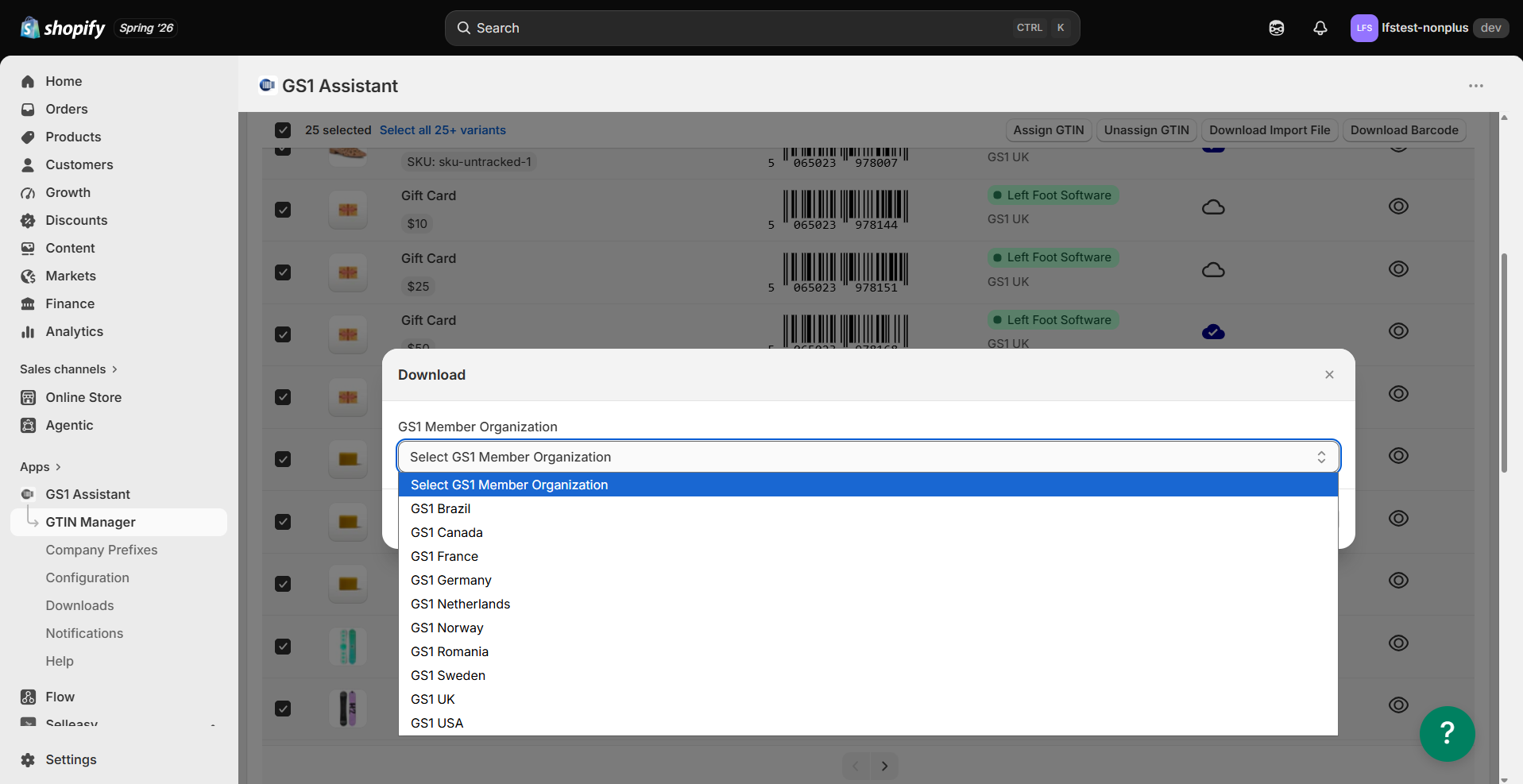
GS1 Assistant supports GTIN assignment and management regardless of which official GS1 Member Organization issued your GTINs. Some GS1 Member Organizations provide services that allow GS1 Assistant to integrate more closely with their systems.
Depending on the GS1 Member Organization, these integrations may allow you to synchronize product information directly rather than manually exporting and importing spreadsheets.
Available integration capabilities vary by GS1 Member Organization and may change over time.
Are GTINs Purchased Outside My Country Still Valid?
Yes. GTINs issued by an official GS1 Member Organization are globally valid.
A GTIN issued by one GS1 Member Organization can be used the same way as a GTIN issued by another GS1 Member Organization.
They can be used with:
- Amazon
- Google Shopping
- Walmart Marketplace
- Shopify
- Retailer and distributor systems that support GS1 standards
What matters is that the GTIN was issued by an authorized GS1 Member Organization and assigned correctly.
When Purchasing Outside Your Region May Make Sense
Purchasing GTINs from another GS1 Member Organization may make sense when:
- You are launching a new brand
- You need a large number of GTINs
- The cost difference is significant
- You primarily sell through ecommerce channels
- Your retail partners support EAN barcodes
- You want access to specific GS1 Assistant integration features
When Staying with Your Local GS1 Organization May Make Sense
Using your local GS1 Member Organization may be the better choice when:
- Your retailers specifically require UPC barcodes
- You work with older retail systems that do not support EANs
- You already have active GTINs in use
- You prefer working with a local GS1 organization
- Government or regulatory requirements make it impractical to use a different GS1 Member Organization
Some GS1 Member Organizations integrate with local government systems, business registries, or tax authorities. Depending on the country, local requirements may make it easier or, in some cases, necessary to work with the GS1 Member Organization serving your region.
If your products are already published with existing GTINs, changing GTINs is usually more expensive than any potential savings.
How to Choose a GS1 Member Organization
Before purchasing GTINs, compare:
- Pricing
- Eligibility requirements
- Barcode format (UPC or EAN)
- Integration capabilities
- Retailer or marketplace requirements
If you're unsure, purchasing GTINs from either the country where your business is located, or the country where you expect to sell most of your products is usually the safest choice.